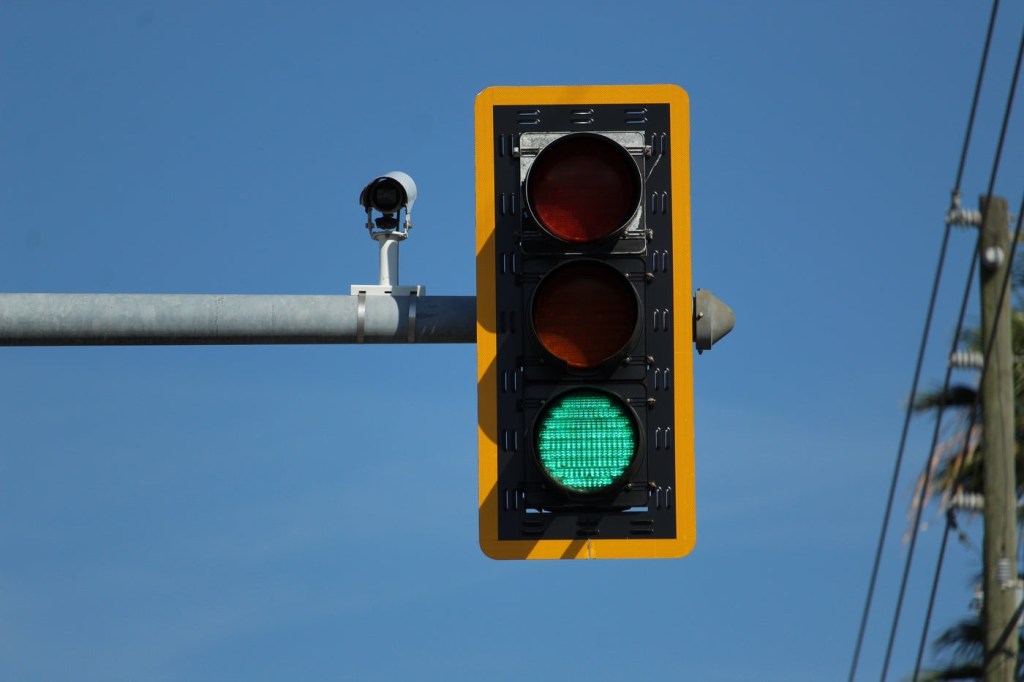
Like many cities, Iowa City makes use of cameras and license plate readers to help manage its parking and traffic systems. Unlike most, Iowa City’s code includes significant privacy protections, prohibiting these devices from being used to identify a vehicle, its operator, occupants or owner.
When the ordinance was passed more than a decade ago, privacy advocates including the ACLU and the Electronic Frontier Foundation hailed it as a protection they’d never seen at any level of government.
Privacy expert Woodrow Hartzog, a law professor at the Cumberland School of Law at Samford University, told Ars Technica at the time:
This ordinance would seemingly prevent a host of activities deemed dubious by some citizens, including tickets from red light cameras and automated tickets for moving violations issued via the mail. The ordinance also provides robust privacy protections for citizens by limiting the storage, use, and distribution of data collected by these automated systems to reasons directly pertaining to traffic or other criminal violations enforced by an officer on the scene. This ordinance is one of the most comprehensive and vigorous attempts I’ve seen to combat automated law enforcement and surveillance, a practice that is being increasingly rejected by citizens over privacy and due process concerns, among other things.
Disappointingly, this ordinance hasn’t stopped Iowa City from using these cameras for law enforcement purposes, however. In a memo to the City Council requesting an amendment for “clarification,” Iowa City City Attorney Eric Goers notes that “footage from traffic engineering cameras is utilized to assist in law enforcement investigations and have been critical in solving a variety of serious cases including assaults and homicides,” suggesting the City of Iowa City has been violating the spirit, if not the letter, of its own ordinance.
And the Iowa City City Council seems to be going along with the work to weaken the ordinance. The first reading of three was supported by Mayor Bruce Teague and councilors Megan Alter, Shawn Harmsen and Josh Moe despite opposition from their colleagues. A second reading is on the agenda for Tuesday, Aug. 6, 2024.
In the decade since the ordinance’s passage, digital privacy has only become a bigger issue as more and more of our lives involve networked computers and algorithms. But instead of returning to the ordinance’s intent, this move would further bend the ordinance by excluding large swaths of Iowa City infrastructure from its own ban protecting its residents from surveillance.
 Abolition: Yes!